Vocabulary for Sustainable Consumption and Lifestyles
: A Language for Our Common Future
Welcome Knowledge Hub
- Introduction 1 Consumerism 2 Household Income Versus Carbon Footprint 3 Conspicuous/Positional Consumption 4 Hedonic Treadmill 5 Choice Paralysis 6 Generational Consumption Differences (in China) 7 Gender 8 Attitude-Behavior Gap 9 Behavior Change 10 Energy Consumption Behavior 11 Repair 12 Fast Fashion 13 Moments of Change 14 Quiet Sustainability 15 Voluntary Simplicity 16 Mindfulness 17 Work-Life Balance 18 1.5-Degree Lifestyles
- Introduction 19 Freedom of Choice 20 Social Practice Theory 21 Rebound Effects 22 Moral Licensing 23 Risk Perception 24 Living Labs 25 Convivial Technology 26 Beauty 27 Stocks Versus Flows 28 Food Miles 29 Sufficiency 30 Consumption Corridors 31 Fair Consumption Space 32 Social Tipping Points
- Introduction 33 Political Economy of Consumerism 34 Consumer Scapegoatism 35 Energy Overshoot 36 Carbon Inequality 37 The Role of Business 38 Money 39 Climate Justice 40 Ecosocial Contract 41 Ecological Economics 42 Well-being Economy 43 Foundational Economy 44 Steady-State Economy 45 Doughnut Economics 46 Degrowth 47 Sustainable Finance 48 Sharing Economy 49 Circular Economy and Society
- Introduction 50 Alternative Hedonism 51 Well-being and Life Satisfaction Versus Income 52 Spiritual Consumption 53 Values and Consumption 54 Buen Vivir and Buenos Convivires 55 Ubuntu 56 Education for Sustainable Consumption 57 Social Norms 58 Consumer-Citizen 59 Social Movements 60 Subvertising 61 Boycotts and Buycotts 62 Green Parenting 63 Grassroots Innovation 64 Prosumerism 65 Alternative Consumer Cooperatives 66 Community Supported Agriculture 67 Fair Trade 68 Food Sovereignty 69 Eco-Communities
- Introduction 70 Product-Service Systems 71 Universal Basic Services 72 Urban Planning and Spatial Allocation 73 Sustainable Housing 74 Sustainable Mobility 75 Protein Shift 76 Choice Editing 77 Green Nudging 78 Ecolabeling 79 Advertising 80 Greenwashing 81 Ecodesign 82 Extended Producer Responsibility 83 Product Returns and Right of Withdrawal 84 Information and Communication Technology 85 Consumption-Based Accounting 86 Personal Carbon Allowance 87 Co-Benefits of Climate Policy
Knowledge Network Editors Authors Contact The Book Link to publishers page Preface Intro Afterword Endorsements

Lewis Akenji

Lewis Akenji is the executive director of the Hot or Cool Institute in Berlin, a public-interest think tank that explores the intersection between society and sustainability. Lewis has served as the executive director of SEED, founded as a United Nations partnership to promote entrepreneurship for sustainable development. He has consulted with multilateral institutions, including the UN, the Asian and African Development Banks, the European Commission, the Association of Southeast Asian Nations (ASEAN), and has served as technical or policy adviser to several national governments. He serves on several boards and international committees, including as a Full Member of the Club of Rome and Commissioner on the Transformational Economics Commission of Earth4All.
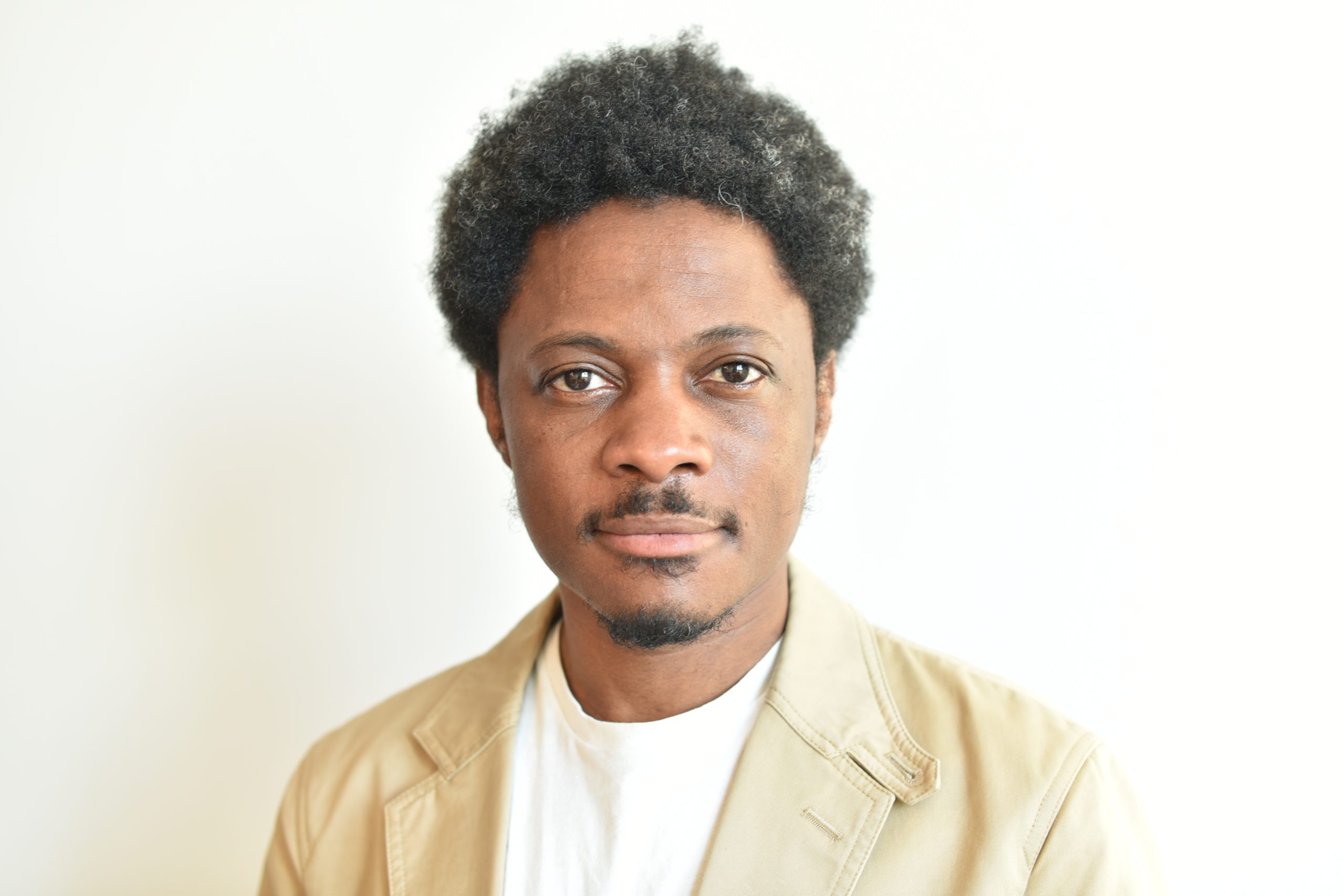
Lewis Akenji

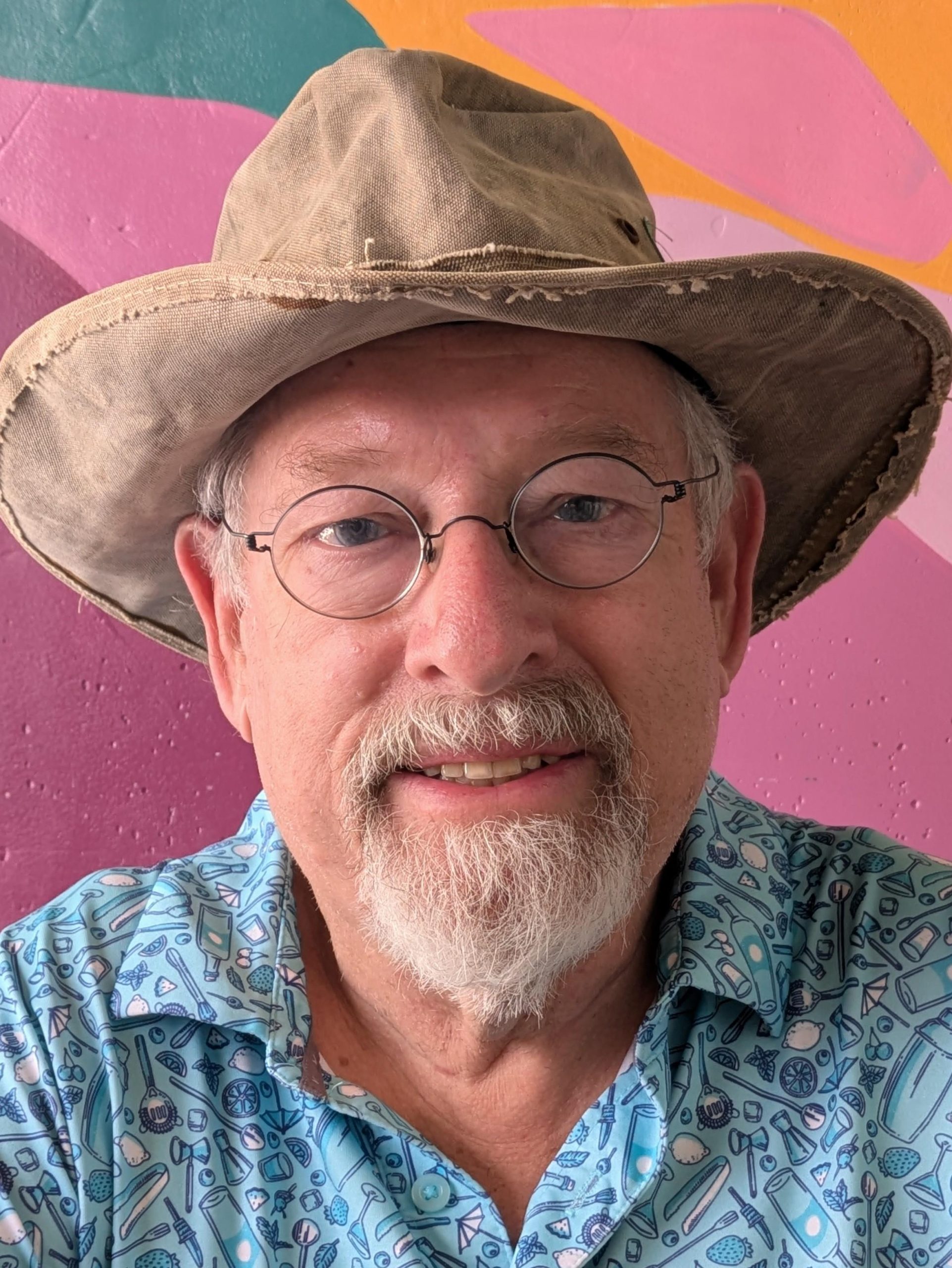
Philip J. Vergragt

Philip J. Vergragt is a climate activist, professor emeritus of technology assessment at TU Delft, the Netherlands, and a research professor at Clark University, USA. He is one of the co-founders and a current board member of SCORAI. He co-chairs the Electric Vehicles Task Force and is an advisory member of the Energy Commission at Newton, MA. His current research interests are sustainable consumption, sustainable cities, and systemic change. He is the co-author of more than 100 scientific publications and five books. Philip holds a PhD in physical chemistry at the Univer-sity of Leiden, the Netherlands (1976).

Philip J. Vergragt

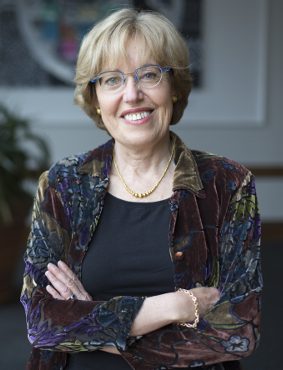
Halina Szejnwald Brown

Halina Szejnwald Brown is professor emerita of environmental science and policy at Clark University. Her recent academic research has focused on the interface between culture, technology, and policy in facilitating a transition beyond the current consumer society. She is a co-founder and board member of Sustainable Consumption Research and Action Initiative and chairs Citizens Commission on Energy in her home city of Newton, Massachusetts. She is a fellow of the American Association for the Advancement of Science, fellow of the International Society for Risk Analysis, and fellow of Tellus Institute in Boston. Brown holds a doctoral degree in chemistry from New York University.

Halina Szejnwald Brown

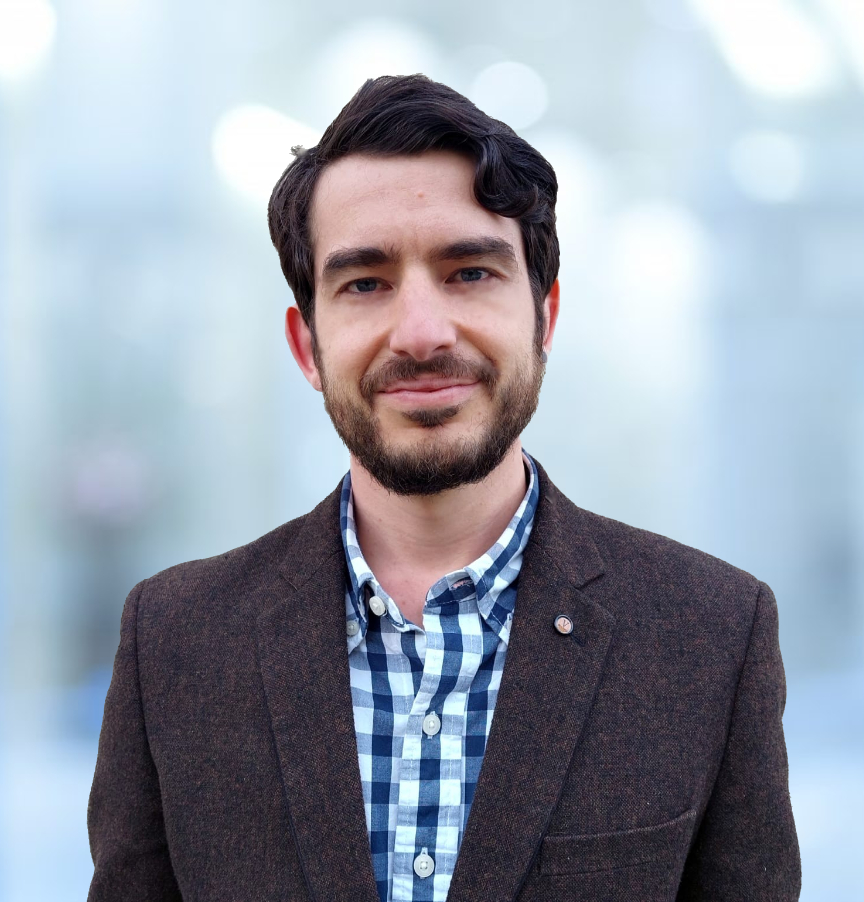
Thomas S.J. Smith

Thomas S.J. Smith is a researcher, writer, and editor based in the north of Spain. He received his PhD in geography and sustainable development at the University of St Andrews and has since held numerous roles including postdoctoral researcher in environmental studies at Masaryk University, Brno, and Marie Skłodowska-Curie postdoctoral fellow in geography at Ludwig Maximilian University (LMU), Munich. He is a member of the Community Economies Institute (CEI) and on the board of the Sustainable Consumption Research and Action Initiative (SCORAI). His research interests relate to social ecological transformations, economic localization, and degrowth.

Thomas S.J. Smith

Laura Maria Wallnöfer

Laura Maria Wallnöfer is a postdoctoral research and teaching associate at the Institute of Marketing and Innovation, Department of Economics and Social Sciences at BOKU University of Natural Resources and Life Sciences, Vienna. She has an interdisciplinary background in energy and transport management and sustainable development and did her PhD on the Integration of Perspectives and Concepts about Individuals as Change Agents at the Doctoral School for Transitions to Sustainability at BOKU University. Her current research focuses on the intersections of different transition actors’ influence spheres and how the multi-actor process required for a sustainable transformation can be better coordinated if those intersections are known.

Laura Maria Wallnöfer

© Hot or Cool Institute gGmbH. All rights reserved

Impressum Privacy policy